Use your email address to subscribe to our newsletter and we will keep you up-to-date on the latest product developments, events and seminars.



Ecological and sustainable solutions for your solid formulations
One of the most pressing issues today is the use of non-recyclable plastics and the pollution arising from the transportation of goods. At Comindex, we are committed to protecting the planet and wish to present an eco-friendly alternative for more sustainable products: solid products.
Figure 1. Powder detergent
How do solid products help protect the planet?
Solid products offer several advantages over their liquid counterparts, both economically and environmentally. The main difference lies in the absence of water, which has a direct impact on production, transportation and recycling. By removing water, the product's volume is reduced, as is the amount of plastic required for packaging.
What are the benefits of this?
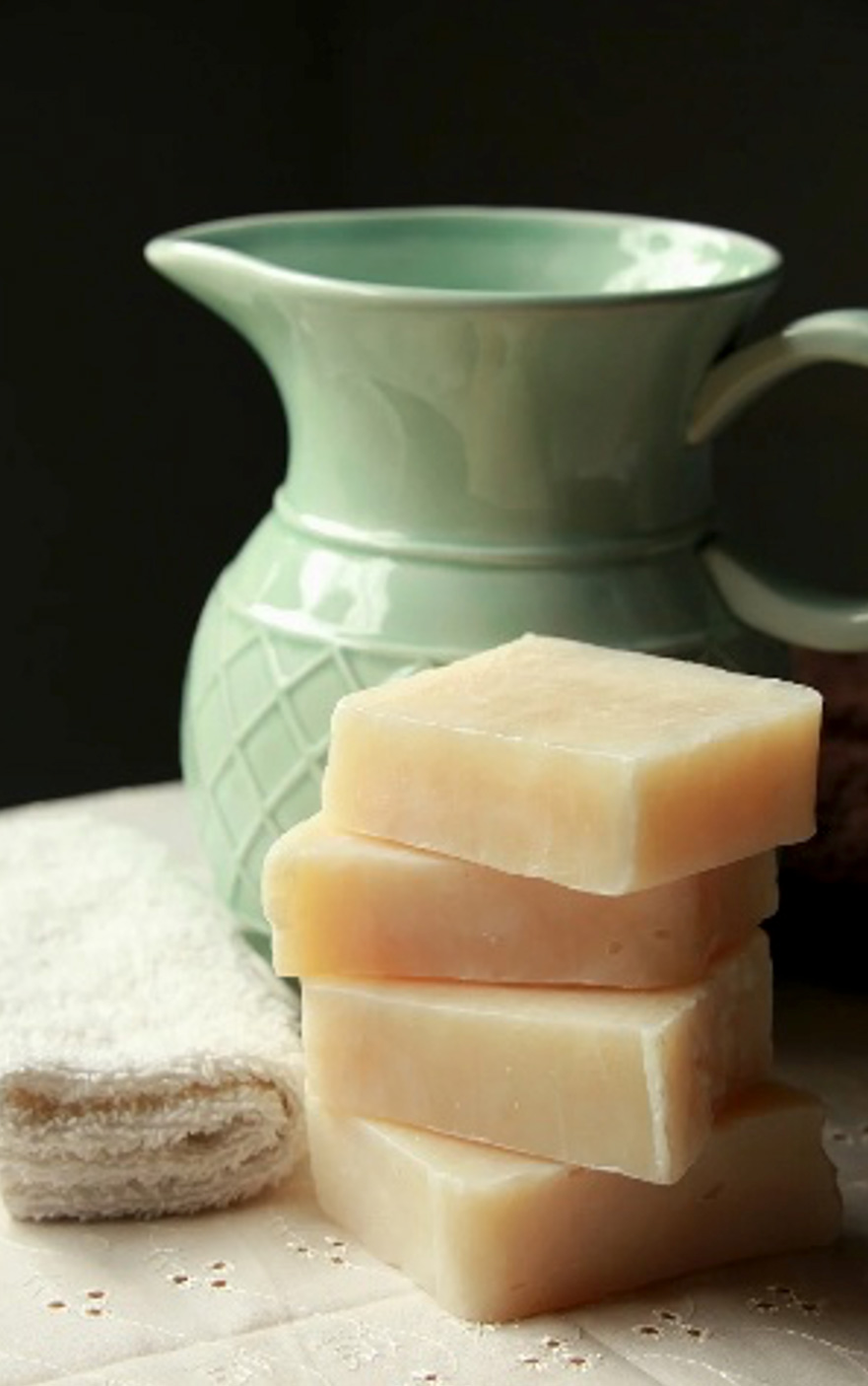
Figure 2. Solid detergent
Challenges in manufacturing solid products
Despite their benefits, producing solid products poses certain challenges, particularly when it comes to the stability of raw materials in the absence of water. This is a critical factor for products such as block detergents, which must maintain high standards of performance.
Natural cellulose fibres: the solution for solid products
Natural cellulose fibres are an effective solution for manufacturing stable solid products. Supplied by the manufacturer CFF, these fibres improve the compactness of products and help maintain their structural integrity. Additionally, they are 100% biodegradable, sustainable and non-toxic, meaning they constitute an ideal option for cleaning products and various other applications.
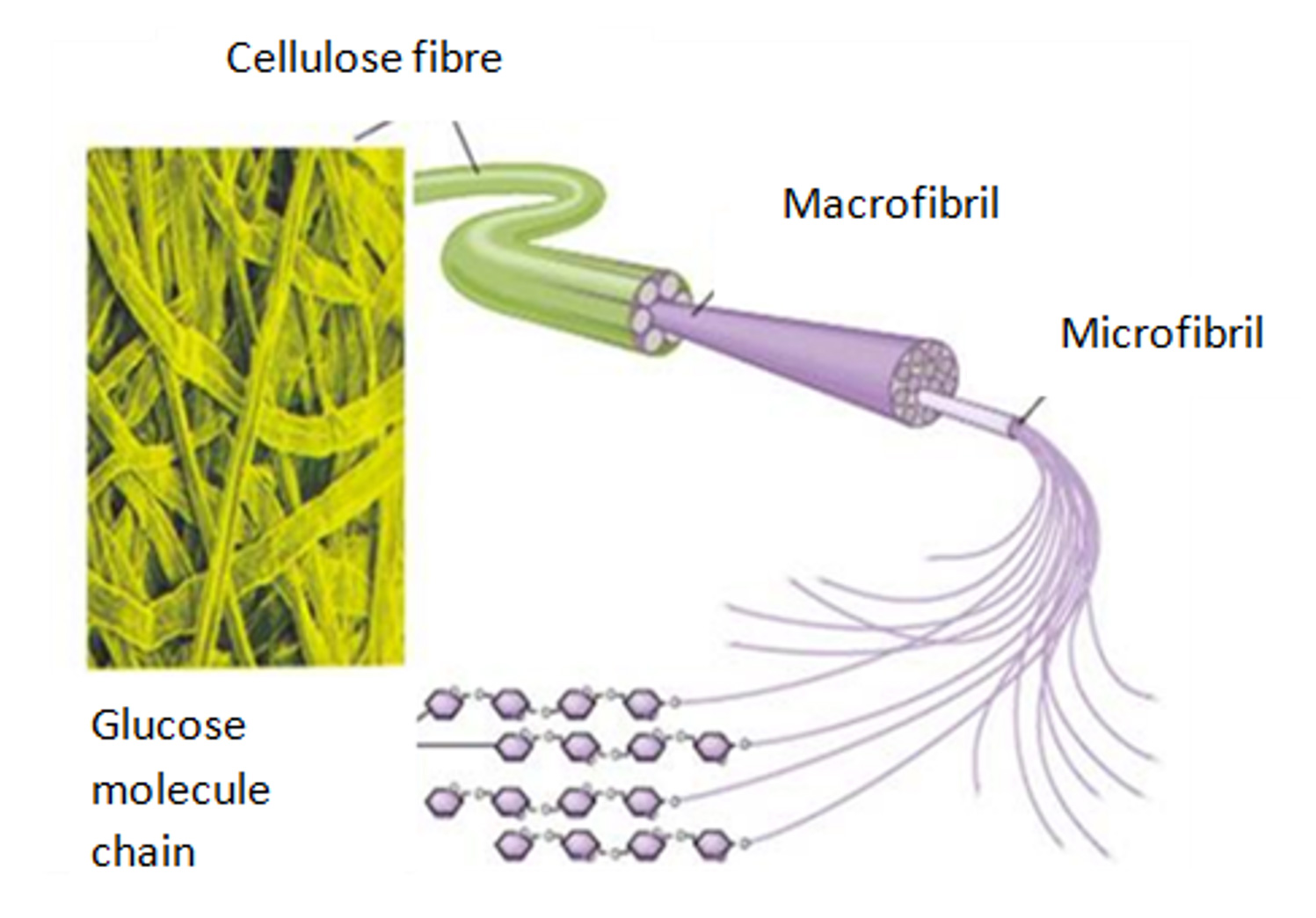
Figure 3. Diagram of cellulose microfibres
(CFF corporate presentation image)
These fibres also allow for controlled dissolution, as seen in WC cleansing blocks, and can act as carriers, transferring active ingredients such as fragrances or enzymes.
Key properties of cellulose fibres:
At Comindex, we offer a wide range of biodegradable, non-toxic cellulose fibres to meet your needs while doing so in an environmentally-friendly manner. If you would like to determine the best solution for your formulation and application, or if you are beginning to work with solid formulations and have any questions, our technical team is always on hand to support you with anything you may need.
Do not forget that here at Comindex we can support you throughout your process. Do not hesitate to contact our team of technical sales advisors.